
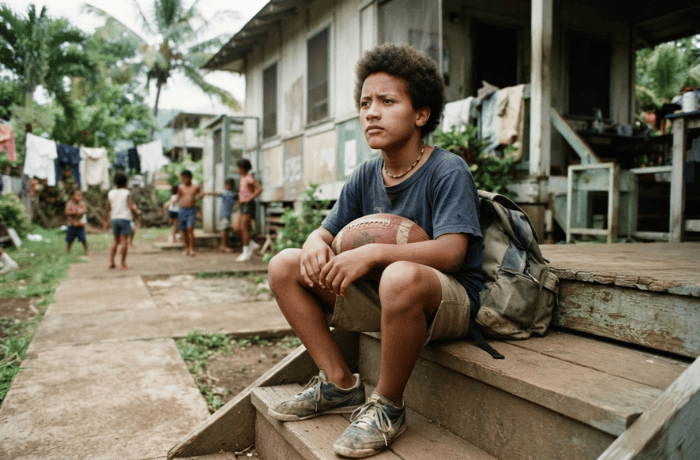
Dwayne Johnson is known today as an actor, entrepreneur, athlete, and wrestling icon. Yet the rock as a kid lived a far less predictable life than his later fame suggests. His childhood included frequent moves, financial pressure, wrestling influences, teenage trouble, and an eventual turning point through football.
Direct answer: The rock as a kid moved frequently because of his father’s wrestling career and experienced financial instability. Dwayne Johnson spent time in places including California, Hawaii, New Zealand, Tennessee, and Pennsylvania. He later faced trouble as a teenager before football, weight training, and supportive adults gave him greater direction.
| Childhood fact | Details |
|---|---|
| Full name | Dwayne Douglas Johnson |
| Born | May 2, 1972 |
| Birthplace | Hayward, California |
| Mother | Ata Johnson |
| Father | Professional wrestler Rocky Johnson |
| Childhood nickname | Dewey |
| Childhood locations | California, Hawaii, New Zealand, Tennessee, Pennsylvania, and other states |
| Major early influence | Professional wrestling |
| Teenage turning point | Football and weight training |
| High school | Freedom High School in Bethlehem, Pennsylvania |
| College | University of Miami |
| College sport | Football |
What Was the Rock as a Kid Like?
Young Dwayne grew up around professional wrestling because his father, Rocky Johnson, worked on the road. That career meant the family often changed locations as wrestling opportunities moved from place to place. Biography.com reports that Johnson attended many schools and lived in numerous states during childhood.
That constant movement made stability difficult for the future entertainer. He has recalled spending long stretches traveling while his father worked wrestling events. Those early experiences exposed him to both the excitement and financial uncertainty surrounding professional wrestling.
Johnson was born in Hayward, California, on May 2, 1972. His mother, Ata Johnson, is of Samoan heritage, while his father was Black Nova Scotian. Those family backgrounds later became central parts of his public identity and entertainment career.
Why Dwayne Johnson Moved So Much During Childhood
Rocky Johnson’s wrestling schedule played a major part in the family’s frequent moves. Professional wrestlers of that era traveled extensively between promotions, arenas, and wrestling territories. Their families could face long absences, relocations, or financial uncertainty as a result.
Dwayne spent childhood periods in several parts of the United States. He also lived with relatives in Auckland, New Zealand, during his younger years. In a 2026 interview, Johnson said he stayed with his mother’s family there for a little over one year.
His time in New Zealand gave him another connection to his Polynesian family background. Johnson has said the respect he encountered within that family environment stayed with him. He eventually returned to the United States and continued moving with his family.
For readers interested in other entertainers shaped by unusual family backgrounds, FJREO also profiles Tracy Reiner and her Hollywood family. Her career developed within another well-known entertainment family, although her upbringing followed a different path.
His Childhood Nickname Was “Dewey”
Before millions knew him by a famous wrestling nickname, his family called him “Dewey.” The nickname came from an innocent comment made when he was still a baby. His godmother reportedly described him as “a little dewy,” and the name stayed.
Johnson has joked that the nickname became embarrassing as he grew older. Family members continued using it around friends and teammates. It hardly matched the intimidating image he developed during adulthood.
The story offers a lighter glimpse into his early years. It also shows how different his childhood identity was from his later wrestling character. Few people meeting young “Dewey” could have predicted the entertainment persona that followed.
Wrestling Was Already Part of His Family Story
Professional wrestling surrounded Dwayne long before he entered a ring himself. His father, Rocky Johnson, became an important wrestling star and later helped train his son. His maternal grandfather, Peter Maivia, was also a respected professional wrestler.
That family history meant Johnson saw wrestling as work rather than distant television entertainment. He observed the travel, physical demands, unstable income, and public attention attached to the profession. Those experiences gave him an unusual view of the business from childhood.
His father’s career also created complicated feelings about wrestling. Rocky understood how demanding the profession could become and did not immediately encourage his son to follow him. Dwayne first pursued football before eventually entering the family business.
FJREO readers exploring long entertainment careers can also see the site’s Rue McClanahan biography. Her road through theater and television offers another example of how long careers often begin far from their best-known roles.
Financial Struggles Were Part of His Early Life
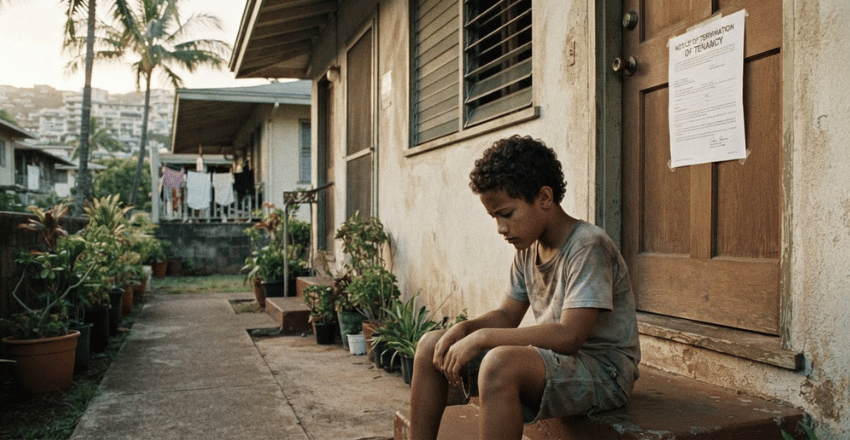
Johnson’s childhood did not resemble the wealthy celebrity lifestyle associated with him today. His family experienced periods of financial stress while his father traveled for wrestling. The instability became particularly painful while they lived in Hawaii.
Johnson has described returning home to find an eviction notice on the family residence. Hawaii News Now reported his recollection of living in a small apartment near Honolulu’s Pagoda Hotel. Losing that home became one of the memories he continued discussing years later.
The experience appears repeatedly in Johnson’s accounts of his motivation. Financial security became tied to his desire to succeed in sports and later entertainment. He wanted a future that gave his family choices they had lacked during his childhood.
Teenage Trouble Changed the Direction of His Story
Johnson’s teenage years included arrests, fights, theft, and problems at school. He has spoken openly about being angry and struggling with his circumstances during that period. Netflix also reported his admission that he participated in theft as a teenager in Hawaii.
He has described stealing clothing and getting into trouble with police. Those actions occurred before he had developed the disciplined public image associated with his adulthood. Johnson later said his choices began troubling him more as he recognized their effect on his family.
His story should not be reduced to a simple transformation from troublemaker to celebrity. Several people helped redirect his attention toward productive goals. Sports became one of the strongest forces pulling him toward a different future.
Football Became the Major Turning Point
Football gave the teenager structure at a time when he badly needed direction. After moving to Pennsylvania, Johnson attended Freedom High School in Bethlehem. His size and athletic ability soon attracted attention from coaches.
He developed into a promising defensive football player and began taking training more seriously. Weightlifting also provided a routine that rewarded consistency and discipline. Johnson later credited sports with giving him greater purpose during his high school years.
His performance eventually earned him an opportunity to play college football at the University of Miami. University records show he played defensive tackle for Miami from 1991 through 1994. He was part of the program during its 1991 national championship season.
Miami reports that Johnson recorded 78 tackles and 4.25 sacks during his college career. Injuries and competition affected his chances of becoming a consistent starter. Warren Sapp, who later became an NFL star, was among the players ahead of him.
What Did Young Dwayne Johnson Want to Become?
During his teenage and college years, Johnson did not appear destined for Hollywood. Football offered what seemed like his clearest route toward financial security. He hoped an athletic career could change life for himself and his parents.
Professional football did not develop as he planned. After college, he joined the Calgary Stampeders of the Canadian Football League but was soon released. That disappointment eventually pushed him toward professional wrestling.
His difficult childhood therefore mattered beyond providing an interesting celebrity origin story. Moving, financial pressure, sports, and family expectations influenced how he approached later setbacks. Those lessons followed him into wrestling and eventually film.
Readers who enjoy profiles about people building careers through uncertain beginnings can also explore FJREO’s Cameron Friscia profile. It covers another entertainment career where publicly verified background information remains an important distinction.
How His Childhood Influenced His Adult Career
Johnson later became famous for a highly disciplined approach to training and work. It would be simplistic to credit every adult habit to childhood hardship. Still, his own interviews consistently connect early financial struggles with his motivation.
His Samoan background also remained important throughout his career. That connection became visible in projects such as Moana, where he voiced Maui. He has frequently discussed how Polynesian family and cultural traditions shaped his sense of identity.
His relationship with his father influenced him in another way. Johnson has described Rocky as demanding and sometimes difficult, while still acknowledging what he learned from him. That mixture of admiration and conflict became part of the story behind his success.
Did Young Rock Accurately Show His Childhood?
NBC’s Young Rock drew heavily from events Johnson has discussed publicly. The comedy presented different periods of his life, including childhood, high school, football, and early wrestling. Johnson also appeared in the series as an adult version of himself.
Viewers should remember that the program was a scripted television comedy. Scenes could be condensed, changed, or shaped for storytelling purposes. It works best as a dramatized interpretation rather than a documentary record.
Still, many central themes match Johnson’s verified biography. Those include constant moving, his wrestling family, financial struggles, football, and teenage problems. The series helped introduce those lesser-known parts of his life to a wider audience.
What His Early Years Tell Us About His Later Success
The childhood story is compelling because success was never guaranteed. Johnson lived with uncertainty, made serious mistakes, and watched athletic plans fail. No single moment suddenly transformed his life.
Instead, several changes accumulated over time. Coaches provided structure, football offered purpose, and weight training taught consistent effort. His family history later gave him an entry point into professional wrestling.
That path also explains why his career contains several distinct reinventions. He moved from football to wrestling and then from wrestling into mainstream entertainment. Adaptation had been part of his life long before Hollywood became possible.
Frequently Asked Questions
What was the rock as a kid like?
Dwayne Johnson described himself as energetic during childhood and troubled during parts of his teenage years. His upbringing involved repeated moves, financial stress, and constant exposure to professional wrestling. Football and weight training later helped him develop more direction and discipline.
Where did Dwayne Johnson grow up?
Johnson lived in several locations rather than one permanent hometown. His childhood included time in California, Hawaii, New Zealand, Tennessee, Pennsylvania, and other places. His father’s professional wrestling career contributed significantly to the family’s frequent moves.
What was Dwayne Johnson’s childhood nickname?
His childhood nickname was Dewey. The name reportedly began after his godmother described him as “a little dewy” when he was a baby. Family members continued using the nickname as he grew older.
Was Dwayne Johnson poor growing up?
His family experienced significant periods of financial difficulty. Johnson has repeatedly discussed living paycheck to paycheck and facing eviction in Hawaii. Those experiences later became part of his explanation for his strong drive toward financial stability.
Did Dwayne Johnson get in trouble as a teenager?
Yes, Johnson has openly discussed arrests, fights, theft, and other trouble during his teenage years. He has described that period without presenting his behavior as something to copy. Sports, coaches, and changing priorities helped redirect him.
Did Dwayne Johnson always want to become a wrestler?
No, football was his major career goal before professional wrestling. He played at the University of Miami and later joined the Calgary Stampeders. After his football plans ended, he turned toward the profession associated with his father and grandfather.
The Childhood Behind a Famous Name
The story behind Johnson’s childhood is less polished than his modern celebrity image. His early years contained constant movement, financial strain, family wrestling connections, teenage mistakes, and ambitious football dreams. Those experiences created challenges long before fame provided stability.
Football gave him an important change in direction, while wrestling later opened another path. Hollywood came much later, after he had already experienced several career changes. Understanding those early years makes his eventual rise easier to place in context.
His story also shows why childhood biographies deserve careful sourcing. Celebrity memories can become exaggerated as they circulate online. Looking at Johnson’s interviews, school records, and established biographies gives readers a clearer account of his formative years.
—–