
Introduction
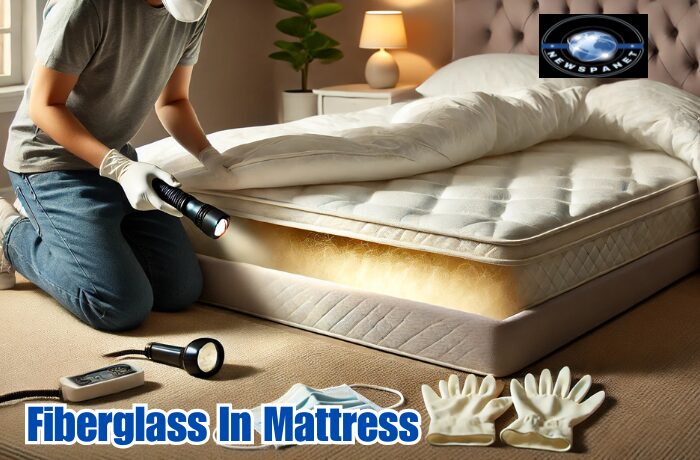
Fiberglass in mattresses can be an unexpected and hidden health risk in your bedroom. This material, used by many manufacturers as a flame retardant due to its affordability and fire resistance, can cause serious health issues if it escapes into the air. Identifying whether your mattress contains fiberglass is crucial to avoid respiratory problems, skin irritation, and even environmental contamination in your home. Knowing how to spot signs of fiberglass and understanding what steps to take afterward can help keep your sleeping environment safe and comfortable.
| Purpose of Fiberglass | Used as a fire retardant to meet safety regulations |
| Common in Low-Cost Mattresses | Frequently found in budget-friendly mattress brands |
| Fiberglass Composition | Made from fine glass fibers that are lightweight and fire-resistant |
| Health Risks | Can cause respiratory issues, skin irritation, and eye discomfort if exposed |
| Indicators of Fiberglass | Labels may say “fiberglass,” “glass fiber,” or “glass wool” |
| Manufacturer Disclosure | Many manufacturers do not openly disclose fiberglass use |
| Containment Method | Usually placed within mattress layers, under a protective cover |
| Exposure Risks | Fibers may escape if the cover is removed or damaged |
| Safe Usage | Safe if the mattress cover remains intact and undisturbed |
| Avoid Unzipping Cover | Do not remove the cover, as this can release fiberglass fibers |
| Alternative Fire Retardants | Natural materials like wool and cotton can also meet fire safety standards |
| Cleaning Precautions | Use a vacuum with a HEPA filter and protective gear for fiberglass cleanup |
| Checking Mattress Materials | Contact manufacturer or read labels to verify fiberglass use |
| Canadian Regulations | Different fire safety rules in Canada allow some brands to avoid fiberglass |
| Alternatives to Fiberglass | Look for mattresses labeled “fiberglass-free” or those with certifications like CertiPUR-US |
Understanding Fiberglass in Mattresses and Why It’s Used
Fiberglass is often used in mattresses as a fire-resistant barrier to help meet safety standards without relying on chemical retardants, providing peace of mind for both manufacturers and consumers. Unlike many other materials, fiberglass is effective at slowing combustion and can protect the mattress interior from ignition sources. It is typically encased within the mattress layers to prevent direct contact with the sleeper, as loose fibers can cause irritation if exposed. Understanding the role of fiberglass helps consumers recognize that its primary purpose is safety, and proper mattress construction ensures that the material remains securely contained within the fire barrier. Choosing a mattress with well-engineered safety materials like fiberglass allows for compliance with regulations while balancing comfort and performance.
Understanding Fiberglass in Mattresses
Many mattress manufacturers use fiberglass as a flame-retardant material to comply with fire safety regulations. Fiberglass is affordable and highly resistant to flames, making it a common choice for budget-friendly mattresses. However, it comes with health risks if exposed. The fine fibers can escape into the air, causing respiratory issues, skin irritation, and long-term health concerns.
Signs Your Mattress Might Contain Fiberglass

Most manufacturers do not openly disclose the presence of fiberglass in their mattresses. Therefore, knowing what to look for can help you identify if your mattress may contain fiberglass.
- Look for Warnings on the Label: Check the mattress label for warnings or instructions that explicitly mention not to remove the cover. Phrases like “Do not remove” or “Fire Retardant” can indicate the use of fiberglass.
- Check for Common Terms Indicating Fiberglass: Labels might use terms such as “glass fiber,” “glass wool,” “fiberglass,” or “glass fiber reinforced plastic.” These are often code words for fiberglass used as a flame barrier.
- Review Online Customer Feedback: Look up the specific mattress brand and model online, checking customer reviews and reports. Customers may mention fiberglass exposure incidents, especially if it involves popular brands known to use fiberglass.
Contacting the Manufacturer for Confirmation
If you’re unsure, contact the mattress manufacturer directly. Here’s how to handle this process:
- Locate the Mattress Model Information: Look for the product information on the label. This includes model number, serial number, or batch number.
- Ask Specific Questions: When contacting customer service, directly ask if the mattress contains fiberglass. Request a list of fire-retardant materials used in the specific model.
- Request Certification Details: If the company claims the mattress is free of fiberglass, ask for certification details. Certifications like OEKO-TEX and CertiPUR-US primarily apply to foam. Still, some companies have additional certifications for entire mattresses, including fire barriers.
Risks Associated with Fiberglass Exposure
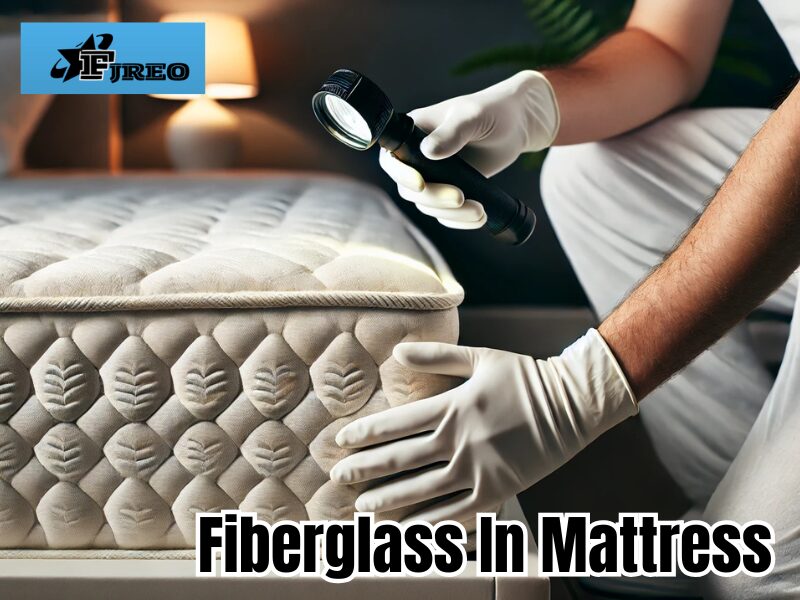
Understanding the health risks associated with fiberglass exposure can help you make an informed decision about handling your mattress. Fiberglass can cause:
- Respiratory Issues: Inhaled fiberglass particles can irritate the respiratory system, leading to coughing, wheezing, and even long-term lung inflammation.
- Skin Irritation and Rashes: When fiberglass fibers come into contact with skin, they can cause itching, rashes, and, in severe cases, blisters.
- Eye Irritation: Fiberglass exposure near the eyes can cause redness, irritation, and potentially scarring if particles become embedded.
- Environmental Contamination: Fiberglass particles that escape into the air can spread throughout your home, embedding in carpet fibers, upholstery, and air ducts. Once dispersed, they are challenging to remove.
How to Prevent Fiberglass Exposure from Mattresses
Preventing exposure is essential, especially if you own or suspect you own a mattress containing fiberglass. Here are some tips for managing this risk:
- Do Not Remove the Cover: Most mattresses with fiberglass use it as a layer beneath an outer cover. Removing this cover, even for cleaning, can release fiberglass fibers. Manufacturers typically include warnings for this reason.
- Use an Additional Mattress Protector: To add a layer of security, use a mattress cover specifically designed for allergy protection or to contain small particles. Choose covers with polyurethane or hypoallergenic materials to prevent fibers from escaping.
- Inspect Regularly for Tears or Damage: Periodically check your mattress cover for any signs of wear, tears, or damage. Even small holes can allow fiberglass fibers to escape. If you notice damage, consider replacing the cover or consulting with the manufacturer about possible solutions.
How to Choose a Fiberglass-Free Mattress
If you’re shopping for a new mattress and want to avoid fiberglass entirely, it’s important to research the materials before buying. Look for brands that clearly advertise “fiberglass-free” construction and use natural fire barriers such as wool, organic cotton, or rayon treated with silica. Certifications like CertiPUR-US and OEKO-TEX can also provide added confidence in the mattress materials, though it’s still wise to confirm directly with the manufacturer. Investing in a transparent, fiberglass-free mattress can reduce health concerns while providing peace of mind and a safer long-term sleeping environment.
Steps to Take if Your Mattress Contains Fiberglass
If you confirm that your mattress contains fiberglass, follow these steps to protect your health and home:
1. Avoid Unzipping or Removing the Cover
Never unzip or remove the cover of a mattress that contains fiberglass. This prevents the fibers from escaping and keeps them safely contained.
2. Consider an Additional Mattress Encasement
Purchase a high-quality mattress encasement. Ideally, one made from hypoallergenic or allergen-proof fabric. This can serve as a barrier, preventing any fiberglass fibers from reaching the surface and posing a risk of exposure.
3. Seal Off the Mattress If Possible
If you decide to replace the mattress, carefully seal it in plastic before disposal. Sealing reduces the risk of fiberglass contamination in your home during the removal process.
Cleaning Up After Fiberglass Exposure
If fiberglass fibers have already been released, cleanup is essential but requires caution to avoid further contamination and exposure:

- Wear Protective Gear: Use gloves, goggles, and a face mask to protect yourself. Long sleeves and full-coverage clothing can prevent direct skin contact.
- Use a Vacuum with a HEPA Filter: A vacuum equipped with a HEPA filter will capture small fiberglass particles more effectively than standard vacuums. Avoid sweeping or wiping surfaces with dry cloths, as this can cause fiberglass to spread.
- Wash Fabrics Separately: Launder bedding, clothes, and other fabric items that may have come into contact with the fiberglass. Wash them separately to avoid cross-contamination.
- Dispose of Irreparable Items: Soft furnishings, stuffed animals, or heavily contaminated fabrics may need to be discarded if they are difficult to clean.
Reporting Health and Safety Issues
If fiberglass exposure from your mattress leads to health problems, consider reporting it to consumer protection organizations or health authorities:
- File a Complaint with the Consumer Product Safety Commission (CPSC): The CPSC tracks and investigates product safety issues. Report your experience to raise awareness and potentially help others facing the same risks.
- Seek Medical Attention for Health Symptoms: If exposure results in severe symptoms, consult a healthcare professional. They can provide guidance on treating symptoms and advise on any long-term health precautions.
Final Tips on Maintaining Mattress Safety
Regular care and careful handling can extend the lifespan of your mattress while ensuring health and safety:
- Avoid Removing Covers for Cleaning: If you need to clean your mattress, use an upholstery cleaner or spot-cleaning methods that do not require removing the cover.
- Keep Pets Away from Mattress Covers: Pets can scratch or tear mattress covers, especially if they contain fiberglass. Consider adding an extra layer or pet-proof cover to prevent accidental damage.
- Handle With Care During Moves: When moving or rearranging the mattress, avoid excessive bending or handling that might cause wear and tear on the cover, which could lead to fiberglass exposure.
Taking these preventive measures can help maintain a safe, comfortable sleep environment and reduce potential health risks associated with fiberglass in mattresses.
Conclusion
Fiberglass exposure from mattresses poses significant risks to health and home safety. If you confirm that your mattress contains fiberglass, handle it carefully by following recommended precautions, such as using protective mattress covers and avoiding direct contact with the material. The presence of fiberglass in mattress is still considered a risk considered by many health organizations.
For those seeking safer alternatives, choose brands with transparent material disclosures and certifications that prioritize natural fire-retardant materials. Taking proactive steps in maintenance and handling can ensure your mattress remains a safe and supportive part of your sleep routine.
Are you curious to read an amazing article on “Best New Jewelry Designers of 2024“?, visit and explore our “Lifestyle” category.
Frequently Asked Questions (FAQs)
Check for tags that say “fiberglass,” “glass fiber,” or “glass wool.” These mattresses are safe as long as the fiberglass stays inside and isn’t disturbed.
Canada has different fire safety rules than the United States, so most Canadian mattress makers don’t use fiberglass.
Fiberglass is usually held inside the mattress layers, so if the cover gets damaged, the fibers might escape.
Fiberglass is generally safe when fully contained inside the mattress, but exposure to loose fibers can cause skin, eye, or respiratory irritation.
Fiberglass is used as a fire-resistant material to help mattresses meet safety and flammability standards.