

Introduction
Basements are often overlooked areas of the home, but they provide immense potential for storage. With proper planning and organization, basement storage can become a highly functional space that clears up clutter and enhances the overall living area. This article delves into the best strategies and storage solutions for transforming your basement into an organized, efficient space.
Here’s a simple table outlining key aspects of basement storage:
| Category | Description | Recommendations |
| Shelving Options | Types of shelves that can be used to store items off the floor. | – Heavy-duty metal shelves – Plastic shelving (moisture-resistant) – Wall-mounted or wire shelving |
| Storage Bins | Containers are used to organize and protect stored items. | – Clear bins for visibility – Airtight bins for sensitive items – Stackable bins to maximize space |
| Moisture Control | Methods to prevent damage from humidity and water leaks. | – Use dehumidifiers – Store items in moisture-resistant bins – Ensure proper ventilation |
| Vertical Space Usage | Strategies to maximize floor-to-ceiling storage potential. | – Install tall shelving units – Use overhead storage racks – Utilize wall hooks and pegboards |
| Pest Prevention | Measures to avoid pests like rodents and insects in basement storage. | – Seal cracks and entry points – Store food in airtight containers – Regularly inspect and clean the area |
| Lighting and Accessibility | Making the basement storage space functional and easy to navigate. | – Install bright lighting – Label bins and shelves – Organize by zones for easier access |
| Item Categories | How to organize items into groups for easier storage and retrieval. | – Tools and Hardware – Seasonal items – Sports equipment – Furniture |
| Multipurpose Space | Combining storage with other basement functions, such as living areas. | – Use dividers or shelving to separate storage – Keep storage neat for an organized living environment |
| Waterproofing | Techniques to protect stored items from potential water damage. | – Store items on elevated shelves – Use waterproof bins – Install a sump pump if necessary |
| Small Basement Solutions | Storage ideas for maximizing space in smaller basements. | – Wall-mounted shelving – Stackable bins – Use corners and under-the-stairs areas |
Smart Planning for Efficient Basement Storage
Effective basement storage begins with thoughtful planning that considers both your space and lifestyle needs. Before adding shelves or containers, it’s helpful to assess what items you intend to store and how often you will need access to them. Grouping similar items together—such as seasonal decorations, tools, or sports gear—not only keeps the area organized but also makes retrieval easier. Using a mix of shelving units and labeled bins can maximize vertical and horizontal space, preventing clutter from building up on the floor. By establishing clear zones for different categories of belongings and keeping frequently used items within easy reach, you can transform your basement into a functional, well-organized extension of your home rather than a forgotten catch-all area.
Why Basement Storage Matters?
Basement storage is essential for homeowners, freeing up space in their primary living areas. Often, the basement becomes a dumping ground for seasonal items, unused furniture, and old belongings. However, with thoughtful organization, the basement can be transformed into a practical storage area that adds value to the home. Proper basement storage helps in:
- Decluttering living spaces.
- Safeguarding seasonal items like holiday decorations and winter gear.
- Creating a more organized and functional household.
Assessing the Space in Your Basement
Before diving into the world of basement storage, it’s important to assess the available space. Not all basements are the same, and factors like ceiling height, humidity, and flooring material can influence the best storage type. Here are some considerations when assessing your basement for storage:
- Ceiling height: Taller ceilings allow for overhead storage or tall shelving units.
- Moisture control: Basements are prone to moisture issues, so ensuring the area is dry before setting up any storage solutions is vital.
- Lighting: Proper lighting will help you navigate the space more easily and feel more welcoming.
- Access and layout: Make sure you have easy access to frequently used items and that the space is conveniently organized.
Types of Basement Storage Solutions
Numerous storage options can be customized to fit your needs. Some popular solutions include shelving, bins, hooks, and cabinets. The following is an overview of the most effective storage solutions for basements.
1. Shelving Units
Shelving is one of the most versatile and essential storage solutions for basements. Heavy-duty metal or wooden shelves allow you to store items off the floor, making the best use of vertical space.
- Wire Shelving: Best for areas with moisture concerns since they allow for air circulation.
- Plastic Shelving: Durable and moisture-resistant, perfect for basements prone to humidity.
- Wall-mounted Shelving: Ideal for small or narrow spaces where floor-standing shelves might not be practical.
2. Storage Bins and Containers
Plastic storage bins with secure lids are ideal for storing items that need to be protected from dust, moisture, or pests. They are also stackable, allowing you to maximize space.
- Clear Bins: These allow you to easily see the contents, making it easier to find what you’re looking for without opening every bin.
- Labeled Containers: Labeling bins or containers helps keep things organized and easily located.
- Airtight Bins: These are essential for storing important documents, photos, or clothing to protect them from dampness or damage.
3. Cabinets and Lockers
Installing cabinets in the basement can create a clean and polished look, and they can be used to store items you want to keep hidden or secure. Lockable cabinets are useful for storing dangerous tools, chemicals, or valuables.
- Metal Cabinets: Ideal for tools and heavy equipment, as they are strong and durable.
- Wooden Cabinets: Provide a homely feel and can be customized to fit specific dimensions.
4. Pegboards and Hooks
Pegboards and wall-mounted hooks are perfect for storing items that need to be easily accessible, such as tools, sports equipment, or gardening supplies. They can be customized according to the layout of your basement and are great for keeping items off the floor.
Maximizing Vertical and Overhead Space
One of the best ways to optimize basement storage is using vertical and overhead space. Doing so allows you to free up valuable floor space for other uses.
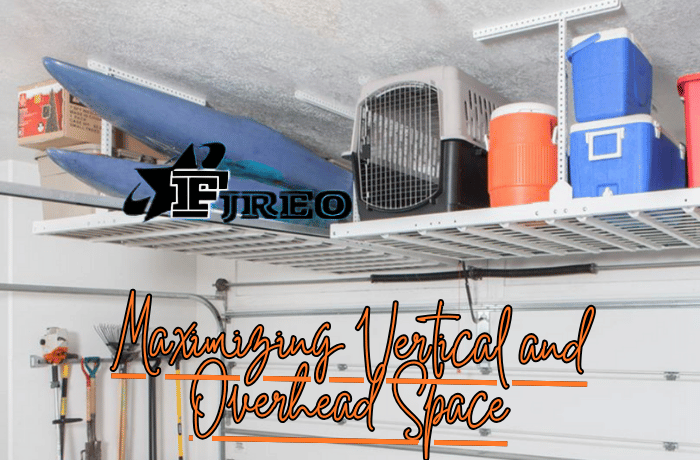
- Overhead Storage Racks: Ceiling-mounted racks are great for storing items you don’t need to access regularly, such as seasonal decorations or camping gear.
- Tall Shelving Units: Make the most of your vertical space with tall shelving units that can hold everything from bins to boxes.
- Hanging Storage: Hooks and racks mounted on the walls can hang bicycles, ladders, or tools, keeping them off the floor.
Organizing Your Basement for Maximum Efficiency
A well-organized basement looks better and is much easier to navigate. Once you’ve installed your storage solutions, it’s time to organize the items you plan to store.

1. Categorizing Items
Sort your belongings into holiday decorations, sports equipment, tools, or clothing categories. This will make it easier to store and locate items when needed. Grouping similar items also helps label and organize bins and shelves.
2. Utilizing the “Zone” Approach
Create different zones for different types of items. For example:
- Tool Zone: For tools, hardware, and gardening supplies.
- Seasonal Zone: For holiday decorations and seasonal clothing.
- Sports Zone: For sports equipment, outdoor gear, and recreational items.
This approach ensures that everything has a place and prevents clutter from building up.
3. Labeling Everything
Labeling bins, containers, and shelves will make your basement storage system easy to navigate. It saves time by helping you quickly find what you’re looking for without rummaging through boxes. Use clear, waterproof labels for long-lasting organization.
Dealing with Basement Challenges: Humidity and Pests
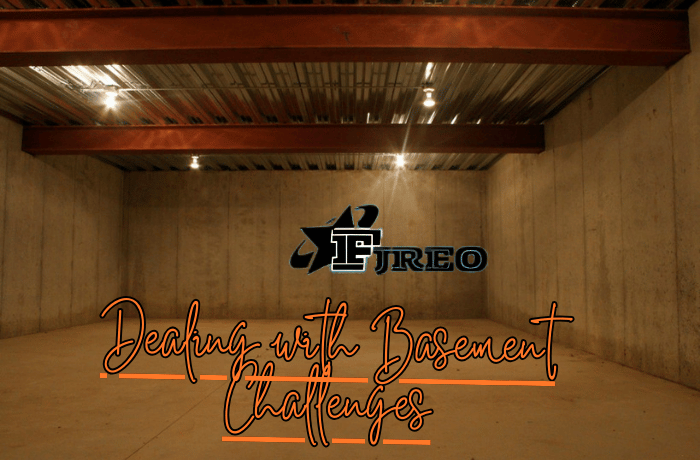
Basements are often prone to moisture, leading to mold growth, damage to belongings, and even pest infestations. Here’s how to tackle these issues:
1. Controlling Humidity
Installing a dehumidifier is one of the best ways to control moisture in the basement. Keep the area well-ventilated, and avoid storing items directly on the floor using shelves or pallets.
- Moisture-resistant bins: Use airtight or moisture-resistant storage bins for sensitive items.
- Waterproof flooring: Invest in waterproof flooring to protect your belongings from potential water damage.
2. Pest Prevention
Pests such as rodents and insects can easily enter the basement. To prevent infestations:
- Seal cracks: Ensure windows, doors, and other potential entry points are properly sealed.
- Use pest-repellent storage: Store food items or pet supplies in airtight, pest-proof containers.
- Regular inspection: Check your basement regularly for signs of pests and take immediate action if you notice any problems.
Basement Storage Design Ideas
If you’re looking to take your basement storage to the next level, consider some of these design ideas that combine functionality and aesthetics:
- Built-in Shelving: Custom-built shelving units can make the basement look more organized and stylish.
- Mudroom Area: Convert part of your basement into a mudroom with hooks, shelves, and cubbies for storing shoes, coats, and bags.
- Multipurpose Basement: If space allows, divide your basement into sections for storage, a home gym, a workshop, or even a small entertainment area.
Conclusion
Basement storage solutions can significantly affect how organized your home feels. You can transform your basement into an efficient and organized space by utilizing vertical space, categorizing items, and choosing appropriate storage solutions. Whether you’re storing seasonal items, tools, or household essentials, a well-organized basement will help you maximize your home’s storage potential.
Apart from that if you want to know about “” then please visit our “Home Improvement” Category.
FAQs
The best way to organize a basement for storage is by first decluttering and categorizing items. Use shelving units, storage bins, and cabinets to keep items off the floor and maximize vertical space. Labeling containers and creating zones for different items (e.g., tools, seasonal décor) will also help keep everything organized and accessible.
Start by addressing any water leaks or humidity issues in the basement to prevent moisture damage. Use a dehumidifier to maintain low moisture levels. Store sensitive items in airtight, moisture-resistant bins and keep them off the floor by placing them on shelves or pallets.
Heavy-duty metal or plastic shelving is ideal for basement storage due to its durability and resistance to moisture. Wire shelving works well in damp environments, allowing airflow and reducing the chance of mold. Wall-mounted shelving is a great option for smaller spaces.
Using sealed containers, elevating items off the floor, and ensuring proper ventilation can help protect belongings from dampness.
Items sensitive to moisture, such as important documents, electronics, or certain fabrics, may not be ideal for basement storage unless the space is properly climate-controlled.