
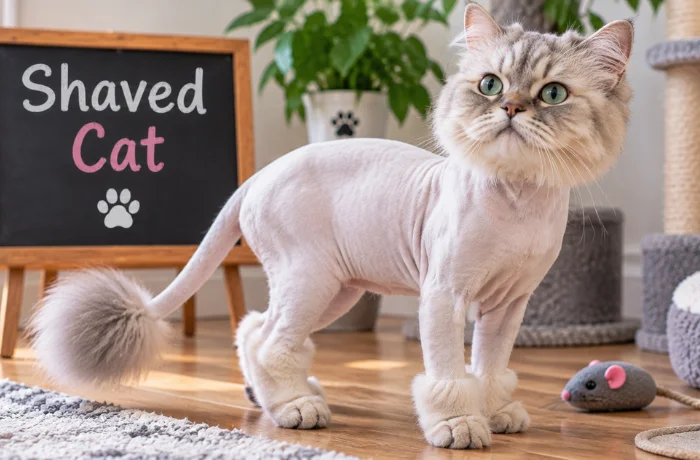
Seeing a shaved cat can be startling, especially when a fluffy coat suddenly disappears. A close clip may be necessary for severe mats, hygiene issues, or medical care. Most healthy cats don’t need routine shaving just because the weather is warm. Reserve shaving for situations where the coat is painful, unmanageable, or blocking treatment. A professional groomer can handle many routine cases.
A veterinarian is safer when skin disease, severe pain, illness, or heavy stress is involved. Routine summer shaving is usually unnecessary for a healthy coat.
| Question | Practical answer |
|---|---|
| Common reason for shaving | Severe matting that cannot be gently combed out |
| Summer heat alone | Usually not a good reason to shave |
| Common style | Lion cut, with the body clipped and selected areas left fuller |
| Best professional | Experienced feline groomer for routine grooming; veterinarian for medical or high-stress cases |
| Main aftercare | Warmth, indoor protection, gentle skin checks, and reduced sun exposure |
| Typical regrowth | Often several months, depending on coat length, age, and health |
Key Takeaways for U.S. Owners
- Severe matting can make clipping the least painful option. Do not use scissors under tight mats because thin skin can lift into the knot. A healthy coat helps protect skin and supports temperature control. Freshly clipped skin needs protection from strong sun and cold conditions. Slow regrowth, sores, swelling, or persistent licking deserve veterinary advice.
What a Lion Cut Looks Like and Why It Is Used
A lion cut removes much of the body coat while leaving fuller fur around selected areas. Groomers often leave a mane, lower-leg “boots,” and part of the tail. The exact pattern varies with coat condition, safety, and owner preference. The purpose should be comfort and coat management, not appearance alone. Tight mats can pull on skin and make movement or grooming uncomfortable. Removing widespread matting may provide a cleaner reset than repeated, painful detangling attempts.
When Shaving Can Be the Better Choice
Severe matting is one of the clearest reasons to consider clipping. Mats close to the skin can be difficult to remove without causing pain. Professional clipping may be safer than aggressive brushing or home cutting. Older, overweight, or mobility-limited cats may also struggle to groom themselves. Hygiene trims can help when fur around the rear becomes repeatedly soiled.
The FJREO Pets archive covers these everyday coat problems in more detail. Medical teams may shave smaller areas for surgery, wound care, imaging, or skin treatment.
| Situation | Usually consider | Why |
|---|---|---|
| One or two loose tangles | Gentle combing | Preserves the coat and avoids unnecessary clipping |
| Localized tight mats | Professional spot clip | Removes the problem while keeping most fur intact |
| Widespread matting | Lion cut or larger clip | May reduce painful pulling and repeated dematting |
| Skin disease or wounds | Veterinary evaluation | Treatment may matter more than grooming style |
| Heat alone | Brushing and indoor cooling | Routine shaving may remove useful skin protection. |
Why Summer Heat Usually Is Not Reason Enough
Many owners assume less fur automatically means a cooler pet. Veterinary guidance generally advises against shaving a healthy coat only for summer heat. Fur helps buffer temperature changes and shields skin from direct sun exposure. A cat’s coat insulates in both directions, so removing it doesn’t reliably cool a warm cat.
Better summer strategies include fresh water, shade, indoor cooling, and regular brushing. Brushing removes loose undercoat without stripping away the protective outer coat. If heat tolerance seems poor, ask a veterinarian about possible medical causes.
Shaved Cat Aftercare: What to Do During the First Week
Freshly clipped skin can be more sensitive to sunlight, cool air, and friction. Keep your pet indoors when possible and provide warm resting places. Avoid applying unfamiliar products unless a veterinarian recommends them. Check the clipped area once or twice daily, but avoid overhandling. Mild sensitivity may settle quickly, but worsening redness or swelling deserves attention.
Persistent licking can further irritate the skin and may signal clipper rash, discomfort, or infection. Keep bedding clean, soft, and dry during early recovery. Limit prolonged direct sun and outdoor exposure while the coat remains short. Contact your clinic if licking becomes intense or broken skin develops.
How Long Fur Usually Takes to Grow Back
Coat regrowth varies with breed, age, season, health, nutrition, and original hair length. Short-haired cats may look close to normal within two or three months. Long-haired cats can need three to six months for fuller regrowth. The first visible fuzz may appear much sooner than the final coat. Older animals or those with health problems can regrow fur more slowly. Contact a veterinarian if an area stays bare, inflamed, or unusually thin for an extended period.
Groomer or Veterinarian?
An experienced feline groomer can handle many routine lion cuts and mat removals. Ask how often the groomer works with cats and how they manage stress. A calm, efficient appointment matters more than achieving a perfectly symmetrical finish. A veterinarian is the better starting point when the skin is sore or infected. Veterinary care also suits frail, elderly, aggressive, or highly anxious animals. Some cases require medical assessment or sedation before safe coat removal is possible.
How to Prevent Another Severe Matting Episode
Regular brushing is the simplest way to reduce future tangles in many long-haired cats. Focus on friction areas such as the armpits, behind the legs, and around the collar. Stop if brushing causes pain, growling, biting, or frantic escape attempts. Coat changes can also point to health or mobility problems. Arthritis, obesity, or illness may make normal self-grooming harder. A sudden decline in coat condition is worth discussing during a veterinary visit.
FJREO already covers broader pet ownership topics for U.S. readers. Grooming, breed research, and long-term care planning all overlap in practice. Owners comparing breed costs can also read the current Bengal pricing guide before planning long-term expenses.
When Skin Changes Need Veterinary Attention
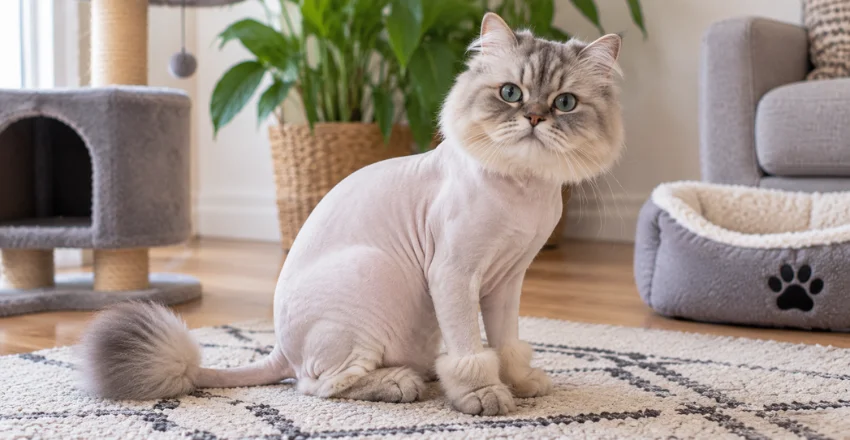
Seek veterinary advice if the clipped area becomes swollen, wet, painful, or increasingly red. Broken skin, discharge, bad odor, or repeated scratching can indicate more than simple sensitivity. Rapid treatment may prevent a small irritation from becoming a larger problem. Also call if your pet becomes unusually quiet, refuses food, or seems unwell after grooming.
These signs deserve more attention than a temporary cosmetic change. The FJREO Health section offers broader wellness reading, but it cannot replace professional veterinary care.
Next Step: Match the Grooming Choice to the Reason
The safest grooming decision starts with why the coat needs attention. Mild tangles may need patient brushing, while severe mats may justify clipping. Skin disease, pain, or major stress should move the decision toward veterinary care. For ongoing reading, save the FJREO Pets section and build a regular grooming routine. Check the coat weekly so problems stay small and easier to manage.
If something looks painful or unusual, contact your veterinarian before trying to remove it at home.
Frequently Asked Questions
How long does a shaved cat’s fur take to grow back?
Many coats take several months to look fully restored. Short hair may recover faster than a long, dense coat. Age, health, season, and nutrition can all affect the timeline.
Is a lion cut safe for cats?
It can be appropriate when an experienced professional does it for a clear reason. Thin feline skin makes careless clipping risky. Severe stress, illness, or skin problems can make a vet’s office the safer option.
Should cats be shaved for hot weather?
Usually no, if the coat is healthy and free of severe mats. Fur provides insulation and sun protection while regular brushing removes loose undercoat. Indoor cooling and water are safer first choices for hot conditions.
Can I cut out tight mats with scissors?
Scissors are risky because feline skin can lift into a mat. A small movement can cause a deep cut before you see the skin. Tight or widespread mats are safer in professional hands.